
👆 Key takeaways
- In SIBO (small intestinal bacterial overgrowth), an excessive number of bacteria reside in the small intestine. However, this part of the gut is normally sparsely populated with bacteria..
- Fruits & FODMAPs:Many fruits contain fermentable carbohydrates that can trigger symptoms. Choice and portion size are key; low-FODMAP fruit is usually better tolerated.
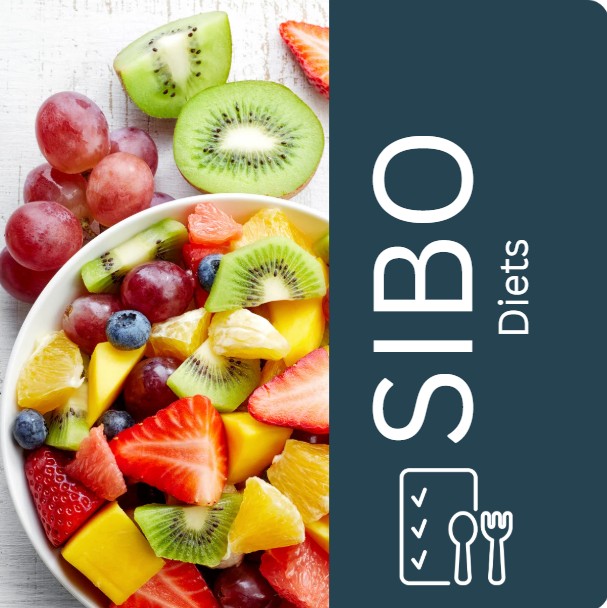
- In practice, for example, it is found that berries, kiwi, citrus, and papaya are generally well tolerated. Apples, pears, stone fruits, grapes, and dried fruits are often problematic..
Which Fruits Can You Eat with SIBO? Enjoying Fruit Despite Small Intestinal Bacterial Overgrowth
Content
1. What is SIBO?
2. Fruits and SIBO
3. Which fruits can you eat with SIBO?
4. Tips for choosing fruits with SIBO
5. Summary
6. FAQs
1. What is SIBO?
SIBO  (Small Intestinal Bacterial Overgrowth) refers to the excessive growth of bacteria in the small intestine.
The small intestine is an area that is normally inhabited by only a small number of microorganisms.
This bacterial overgrowth can lead to a variety of symptoms : constipation , bloating , abdominal pain , digestive issues, and even mental impairments such as brain fog.
The causes of SIBO are diverse – ranging from impaired gut motility and medication use to structural issues within the intestines.
Since the symptoms are very similar to those of irritable bowel syndrome (IBS) , SIBO is often overlooked.
2. Fruits and SIBO
Diet plays a significant role in SIBO and can affect the progression of symptoms. As a result, there are various diets specifically designed for managing SIBO . Some fruits can help alleviate symptoms, while others may worsen them. Why is that?
3. Which fruits can you eat with SIBO?
Many fruits contain sugars like fructose, sorbitol, or other fermentable carbohydrates (FODMAPs), which are quickly fermented by bacteria in the small intestine. This leads to gas production and symptoms. Therefore, fruit is not forbidden with SIBO – but the selection and quantity make the difference. Especially low-FODMAP fruits are well tolerated by SIBO patients.
The following fruits are often well tolerated with SIBO: bananas (especially unripe), pineapple, blueberries, kiwi, mandarin, orange, papaya, passion fruit, lime and lemon, dragon fruit, lychee, and prickly pear. (1) (1)
The following fruits are generally less well tolerated with SIBO: apples, dried fruits (e.g., figs, raisins, pineapple), pears, pomegranate seeds, cherries, nectarines, peaches, plums, grapes, and persimmons. (1) (1)
4. Tips for choosing fruits with SIBO
- Small portions: Even fruits that are well tolerated can cause issues when consumed in large amounts.
- Slow introduction: When trying new fruits, they should be introduced gradually to detect any potential reactions early.
- Test individually: It’s best to try one fruit at a time and test for tolerance.
- Consider the ripeness: The ripeness of fruits, especially bananas, can be crucial.
- Individual tolerance: Everyone reacts differently. Keeping a food diary, for example, can help identify which fruits are best tolerated.
5. Summary
Choosing the right fruits for SIBO requires some experimentation and mindfulness. Low-FODMAP fruits often provide a good starting point to relieve the gut and reduce symptoms. Ultimately, it’s important to consider individual needs. If in doubt, consulting with a nutritionist or doctor is recommended.
6. FAQs
Can you eat fruit if you have SIBO?
Individual tolerance naturally varies. However, overall there are certain types that are better tolerated than others.
Which fruit is well tolerated?
Lemons, kiwi, papaya, and berries are generally well tolerated.
Which fruit is not well tolerated?
Apples, Pears, stone fruit and dried fruit but also grapes often are not well tolerated.
References
- https://www.monashfodmap.com/ibs-central/i-have-ibs/certified-products/; Certified Low FODMAP products | Monash FODMAP – Monash Fodmap; last checked 09.04.2025