
👆 Key points
-
SIBO & Symptoms: SIBO (“Small Intestinal Bacterial Overgrowth”) is a bacterial overgrowth in the small intestine that can cause symptoms such as bloating, abdominal pain, diarrhea, or constipation.
-
Importance of Breakfast: Breakfast provides energy after the night, supports concentration, stimulates metabolism, and can offer social and emotional benefits.
-
SIBO-Friendly Diet: With SIBO, mindful food choices are important. In particular, a low-FODMAP diet can help reduce symptoms.
-
Recipes: Three simple, tolerable breakfast recipes are presented as enjoyable, easy-to-digest ways to start the day: chia pudding, pumpkin omelet, and almond pancakes.
SIBO-Friendly Breakfast Recipes: A Delicious Start in the Day
Content
1. Breakfast as a SIBO patient
2. Why Do We Eat Breakfast?
3. Three SIBO-Friendly Breakfast Recipes
3.1 Chia Pudding
3.2 Pumpkin Omelet
3.3 Almond Pancakes
A healthy breakfast is the foundation for a good start to the day. However, for those suffering from SIBO, choosing the right breakfast can already be the first challenge of the day. The small intestinal bacterial overgrowth can quickly lead to bloating, abdominal pain, and discomfort. Selecting the right foods in the morning can help reduce symptoms while providing energy for the day.
Fortunately, there are many delicious breakfast ideas that are SIBO-friendly. Here, three simple recipes are presented that are both easy to digest and satisfying.
1. What is SIBO?
SIBO  stands for “Small Intestinal Bacterial Overgrowth” and refers to a bacterial overgrowth or colonization of the small intestine. Normally, the small intestine is largely low in bacteria, while the large intestine contains a large variety of bacteria. In SIBO, however, too many bacteria, often those typically found in the large intestine, colonize the small intestine.
This can lead to typical symptoms such as bloating, abdominal pain , or a bloated belly , diarrhea or constipation , a feeling of fullness, and nutrient deficiencies.
SIBO often occurs with anatomical or functional disorders of the intestine. such as after surgeries, in chronic diseases, or when normal intestinal transit is impaired. Diagnosis is usually made using a specialized breath test. . For treatment antibiotics are used that specifically target the bacteria colonizing the small intestine.
2. Why Do We Eat Breakfast?
Humans eat breakfast for several reasons, encompassing biological as well as cultural and social aspects:
- Energy supply after the night: After the nightly “fast,” the body’s energy stores are depleted. Breakfast replenishes them and provides the body and brain with essential nutrients and energy to start the day.
- Boosting concentration: A balanced breakfast supports concentration and memory, which is especially important for children and working adults.
- Metabolism: Breakfast kick-starts the metabolism. This can help prevent cravings and excessive snacking throughout the day.
- Social and well-being: Eating breakfast together can strengthen family life, enhance well-being, and is a pleasant ritual for many.
Interestingly, the body does not necessarily rely on breakfast. The human organism can function without a morning meal. The health impact depends on individual factors and overall dietary habits. However, since breakfast can provide a good start to the day, it is still valued and maintained by many people.
3. Three SIBO-Friendly Breakfast Recipes
The following presents 3 SIBO-friendly breakfast recipes. We have also compiled them in the following PDF: Breakfast Recipes SIBO
3.1 Chia Pudding
A chia pudding is an excellent choice for a light, low-histamine breakfast and can be easily prepared the night before. To make it, mix one tablespoon of chia seeds with fifty grams of coconut milk and fifty milliliters of water. If you prefer it a little sweeter, you can refine the mixture with rice syrup or stevia. Then place it in the refrigerator for at least thirty minutes, ideally overnight, to allow the seeds to swell and form a creamy consistency.
For serving, top the chia pudding with fresh blueberries, pomegranate seeds, and a tablespoon of pumpkin seeds. A spoonful of almond butter adds a delicate nutty flavor, while fresh mint leaves provide a refreshing aroma and visual highlight. The result is a nutrient-rich and easily digestible breakfast that is both satisfying and perfectly suited for a low-histamine diet.
You can also find this repice in our PDF: Breakfast Recipes SIBO
3.2 Pumpkin Omelet
A pumpkin omelet is a hearty yet easily digestible breakfast option that fits perfectly into a low-histamine diet. To prepare it, wash, halve, and deseed a small Hokkaido pumpkin. Cut about fifty grams into thin strips and place them in a pan where a teaspoon of coconut oil has already been heated. Lightly sauté the pumpkin strips, season with salt and pepper, and then add a splash of water. Cover and let them simmer gently over low heat for about ten minutes until soft.
Meanwhile, whisk three eggs with finely chopped parsley. Pour the egg mixture evenly over the prepared pumpkin and allow it to set, covered, over low heat for about eight minutes. Finally, garnish with some fresh parsley to add an aromatic note. The result is a light, nourishing dish that provides a satisfying and wholesome start to the day.
You can also find this repice in our PDF: Breakfast Recipes SIBO
3.3 Almond Pancakes
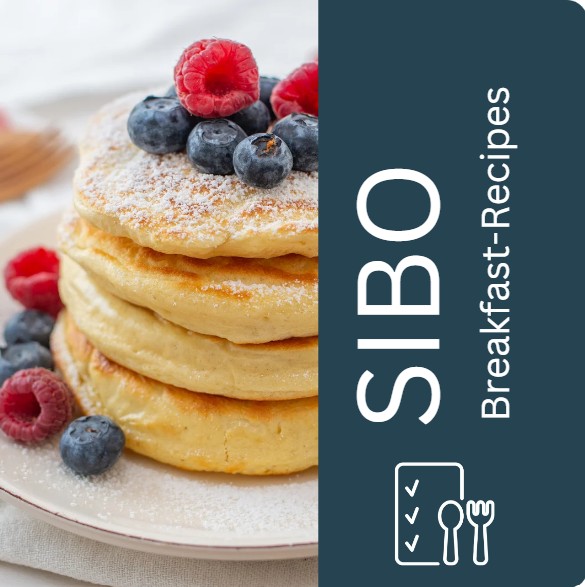
Almond pancakes are a delicious and nutritious breakfast idea, distinguished by their delicate nutty flavor while keeping you full for a long time. To make the batter, start by mixing half a tablespoon of ground flaxseeds, two tablespoons of almond flour, a pinch of baking powder, salt, and some Ceylon cinnamon in a bowl. Then add one egg along with almond milk and stir until a smooth mixture forms. Let the batter rest for about five minutes to allow it to thicken slightly and ensure the pancakes turn out nice and fluffy.
Heat a teaspoon of coconut oil in a pan. Add the batter in portions and cook the pancakes for one to three minutes on each side over medium heat until golden brown. For serving, top them with almond butter, fresh blueberries, banana slices, and a sprinkle of shredded coconut. The result is a balanced breakfast that is not only delicious but also rich in valuable nutrients.
You can also find this repice in our PDF: Breakfast Recipes SIBO
4. Summary
A SIBO-friendly breakfast can make a difference in starting the day symptom-free. The presented recipes show that a SIBO diet does not have to be monotonous or boring. The main focus here is on following a low-FODMAP approach. With mindful selection of tolerable ingredients, delicious and satisfying meals can be prepared that relieve the small intestine and reduce symptoms. This way, breakfast becomes an enjoyable start to the day even with SIBO.
5. FAQs
What can I eat for breakfast if I have SIBO?
Easily digestible and low-FODMAP foods are particularly suitable for SIBO. The recipes presented here—chia pudding, pumpkin omelet, and almond pancakes—are examples of a nutritious breakfast.
Should I even eat breakfast if I have SIBO?
Whether breakfast is beneficial depends on individual needs. Some people feel better eating in the morning, while others prefer to skip it. In general, a balanced breakfast can help provide energy, promote concentration, and prevent cravings later in the day.
Can I change the recipes?
Yes, the recipes can be customized as long as you choose ingredients that are compatible with your diet. Instead of blueberries, you can use other low-FODMAP fruits like strawberries. Nuts or seeds can also be substituted. It’s important to consider your own tolerances and test new ingredients slowly.