
👆 Key takeaways
- A SIBO diet temporarily reduces fermentable carbohydrates (e.g., FODMAPs) to relieve symptoms such as bloating, abdominal pain, and bowel changes.
- In general, the diet should not be followed strictly long-term—a typical elimination phase lasts 2–6 weeks, followed by systematic reintroduction.
- The goal is not “avoiding foods forever,” but finding an individualized diet: test, bring back tolerated foods, and prevent relapses with an overall plan (treatment + addressing root causes).
✔ Quality checked:
Our articles are based on medical guidelines, studies, and publications. They are written by experts—not by AI—and they also go through reviews.
SIBO Diet: How long? (including schedule)
1. What is SIBO?
2. What are the symptoms of SIBO?
3. What treatment approaches are there for SIBO?
4. SIBO diet and dietary changes
5. Duration of the SIBO diet
6. Summary
7. FAQs
8. Sources
1. What is SIBO?
SIBO stands for “Small Intestinal Bacterial Overgrowth.” It refers to a bacterial overgrowth in the small intestine (small intestinal dysbiosis).
Normally, most gut bacteria are found in the large intestine, while the small intestine contains comparatively few bacteria.
With SIBO, however, bacteria multiply in increased numbers in the small intestine, which can lead to fermentation, gas production, and various symptoms.
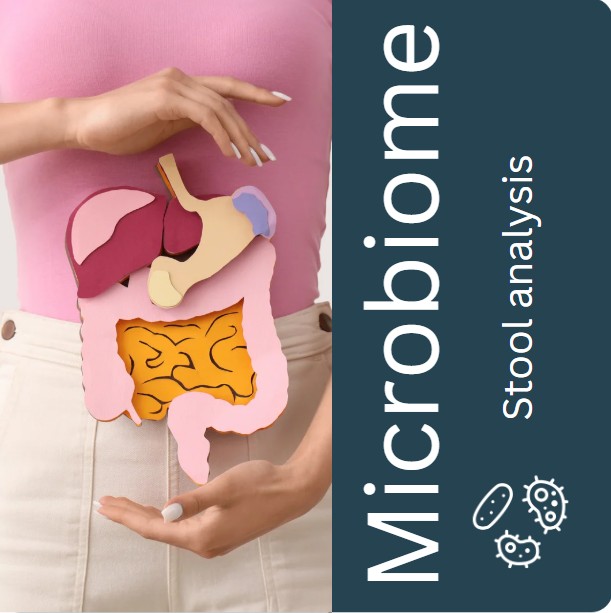
In practice, SIBO is often assessed using a  breath test (e.g., hydrogen/methane). Depending on which organisms and resulting gases predominate, symptoms can vary significantly.
2. What are the symptoms of SIBO?
SIBO often resembles irritable bowel syndrome (IBS). Typical symptoms include:
 Bloating and a visibly distended abdomen (often after eating)
- Abdominal pain, cramps, a feeling of fullness, or belching
- Diarrhea, constipation, or alternating bowel habits
- Fatigue, brain fog / concentration difficulties, and nutrient deficiencies
 Bloating
3. What treatment approaches are there for SIBO?
Important: Diet is usually one component of a treatment plan. It primarily helps reduce symptoms and does not address root causes (with the exception of an elemental diet). Common approaches (depending on findings and individual situation) include:
- Medication-based treatment (e.g., antibiotics such as rifaximin in suitable cases—medically supervised)
- Phytotherapy / herbal antimicrobial protocols (depending on protocol and tolerance, e.g., oregano, pomegranate extract, allicin, etc.)
- Motility support and relapse prevention (e.g., meal spacing, individualized root-cause work)
- Nutritional medicine support (reduce symptoms, test foods, and gradually return to a broader, higher-fiber diet long-term)
You can also find an overview of treatment options here: Therapy options for SIBO.
4. SIBO diet and dietary changes
In practice, “SIBO diet” usually means a time-limited diet that reduces fermentable carbohydrates
to provide less “fuel” for bacteria/methanogens and thereby calm symptoms.
Commonly used approaches include:
- Low FODMAP (classically three phases: elimination → reintroduction → personalization)
- Bi-phasic diet (two phases: more restrictive → gradual rebuilding)
Important: A successful dietary change does not mean “eating less and less,” but targeted testing and long-term personalization.
For everyday life, a symptom diary and a clear structure (meal spacing) have proven useful. More info on nutrition for SIBO: Nutrition for SIBO.
5. Duration of the SIBO diet
The most common question is: How long? A practical rule of thumb is:
Only as strict as necessary, for as short a time as possible—and then expand systematically again.
Low FODMAP: typical phases (guidance)
- Elimination phase: often 2–6 weeks (stricter)
- Reintroduction/testing phase: then gradual, group by group
- Maintenance/personalization phase: long-term; goal: maximum variety with good symptom control
Bi-phasic diet: typical duration
- Phase 1 (elimination): about 2–6 weeks, depending on symptom severity
- Phase 2 (rebuilding): then gradual loosening and individualized expansion
Why not stay strict long-term? Very restrictive diets can be unfavorable in the long run (e.g., reduced diversity for the microbiome). This can lead to tolerating fewer and fewer foods.
That’s why reintroduction is not an optional bonus—it’s a central part of the plan. A diverse range of vegetables, fruit, and legumes rich in fiber is important and beneficial for the gut microbiome in the long term. It also keeps meals and your meal plan varied.
Practical tip: Plan the “strict” phase intentionally as a short interval (e.g., 2–6 weeks),
and then consistently implement the testing and rebuilding phase, ideally with professional guidance (doctor/nutrition therapy).
Summary of phases at a glance (not specific to any single diet):
| Phase | Core goal & diet approach | Duration |
|---|---|---|
| 1. Elimination / Restriction phase | Strict low-FODMAP diet. Reduction of fermentable fibers to relieve symptoms. | 2–6 weeks |
| 2. Rebuilding / Reintroduction | Reintroducing foods; gradually expanding dietary variety. | medium- to long-term |
Extended glossary: Key terms
Glossary: Understanding SIBO
- SIBO diet
- A specific way of eating followed for a limited time to reduce SIBO symptoms. There is no single “the” SIBO diet—there are approaches with varying levels of restriction.
- Methane dominance (IMO)
- Here, archaea produce methane gas, which slows intestinal transit and leads to chronic constipation.
- Hydrogen SIBO
- Bacteria produce hydrogen gas (H2), which is often associated with diarrhea or alternating bowel habits.
- Low FODMAP
- Reduction of fermentable carbohydrates in the diet. FODMAP = fermentable oligo-, di- and monosaccharides and polyols.
6. Summary
- SIBO is a bacterial overgrowth in the small intestine, often with IBS-like symptoms.
- A SIBO diet can reduce symptoms but should not remain strict long-term.
- Typical: a 2–6-week elimination phase, followed by systematic reintroduction and personalization.
- Long-term goal: as much variety as possible—with a strategy that minimizes relapses.
7. FAQs
How long should I follow the strict SIBO diet?
Usually 2–6 weeks (depending on the approach and symptoms). After that comes reintroduction to rebuild your individual list of tolerated foods.
Why shouldn’t I eat strictly low-FODMAP/bi-phasic for months?
Highly restrictive diets can have disadvantages long-term (e.g., less dietary diversity). The goal is personalization: as little restriction as necessary, as much variety as possible.
When can I eat “normally” again?
With SIBO, “normal” usually means your individual normal. Once symptoms are more stable, foods are gradually reintroduced (testing phase). A symptom diary helps identify patterns.
Is diet alone enough?
Often diet is an important component, but not the only solution. Depending on cause/findings, additional therapy elements may be useful (e.g., medication, motility support, root-cause work).
SIBO Academy® Newsletter
Get the latest updates from the SIBO world delivered to your inbox for free
8. Sources
- Pimentel M. et al. (2020). ACG Clinical Guideline: Small Intestinal Bacterial Overgrowth.
https://socgastro.org.br/novo/wp-content/uploads/2021/01/ACG_Clinical_Guideline__Small_Intestinal_Bacterial.9-1.pdf
(accessed on Jan 29, 2026) - Monash FODMAP (n.d.). The 3 phases of the Low FODMAP Diet.
https://www.monashfodmap.com/blog/3-phases-low-fodmap-diet/
(accessed on Jan 29, 2026) - SIBO Academy (n.d.). The SIBO bi-phasic diet (two-phase diet).
https://sibo-academy.de/en/blog/beitraege_sibo/the-sibo-bi-phasic-diet/
(accessed on Jan 29, 2026) - SIBO Academy (n.d.). SIBO meal plan: What does a SIBO meal plan look like?.
(accessed on Jan 29, 2026)
- Frontiers/ScienceDirect (Review, n.d.). Low-FODMAP diet and microbiome considerations.
https://www.sciencedirect.com/science/article/pii/S2475299123265816
(accessed on Jan 29, 2026)